
If you’re preparing to move out, you’ve probably assumed a vacate clean is a vacate clean, no matter what kind of property you’re leaving. In reality, the scope of work for a vacate cleaning apartment vs house job changes a lot depending on whether you’re vacating an apartment or a house and knowing the difference before you book can save you time, stress, and unexpected surprises at your final inspection.
Why Vacate Cleaning Requirements Aren’t the Same for Every Property
Every rental has its own layout, features, and body corporate or landlord expectations, which means no two vacate cleans look exactly alike. A one-bedroom unit with shared common areas has a very different cleaning scope to a three-bedroom house with a garage, garden, and multiple bathrooms.
Real estate agents and property managers also assess properties against a checklist tailored to that specific home. A unit might be assessed partly on shared responsibilities, like keeping a balcony or car space tidy, while a house is judged on everything from the state of the garage floor to how well the windows have been cleaned inside and out. Understanding these differences upfront helps you set realistic expectations for what your vacate clean actually needs to cover.
Key Differences Between Apartment and House Vacate Cleaning
Indoor Areas and Overall Cleaning Scope
Apartments are generally more compact, which can make them feel quicker to clean, but compact doesn’t always mean simple. Units often have less storage, meaning built-in wardrobes, cupboards, and shared laundry areas need close attention since there’s less room to hide dust or grime.
Houses, on the other hand, usually have a larger overall footprint. More bedrooms, more bathrooms, and often a separate laundry or mudroom all add to the time needed to get every room to a real-estate-ready standard. Hallways, staircases, and additional living spaces (like a rumpus room or study) are common in houses but rarely a factor in units, adding extra scope that a unit clean simply won’t have.
Multiple bathrooms, in particular, add up quickly. Each one needs the same level of attention to tiles, grout, tapware, and mirrors, so a house with two or three bathrooms will naturally take longer than a unit with just the one. Kitchens follow a similar pattern; a house kitchen with more cupboard space and a larger benchtop area simply has more surface to cover than a compact unit kitchen.
Outdoor Spaces, Garages, and Balconies
This is one of the biggest differences between the two property types. Units typically don’t come with a garage, but many do have a designated car space or a balcony that falls under the tenant’s responsibility. Balconies collect dust, leaves, and grime just like any outdoor area, and body corporate rules may specify how they need to be left.
Houses come with a much broader set of outdoor obligations. Garages need to be swept and free of oil stains or built-up dirt, and gardens are often expected to be left tidy and weed-free, depending on your lease terms. If your house has a courtyard, deck, or outdoor entertaining area, these are usually inspected too. None of this applies to most apartment leases, which is why treating a house vacate clean like a unit clean can lead to items being missed at inspection.
Windows, Carpets, and Other Property-Specific Features
Houses tend to have more windows, and often larger ones, which means more time is needed for a thorough window cleaning pass, inside and out. Apartments may only need internal window cleaning done, since exterior windows on upper floors are sometimes managed by the building rather than the tenant – always worth checking your lease before assuming either way.
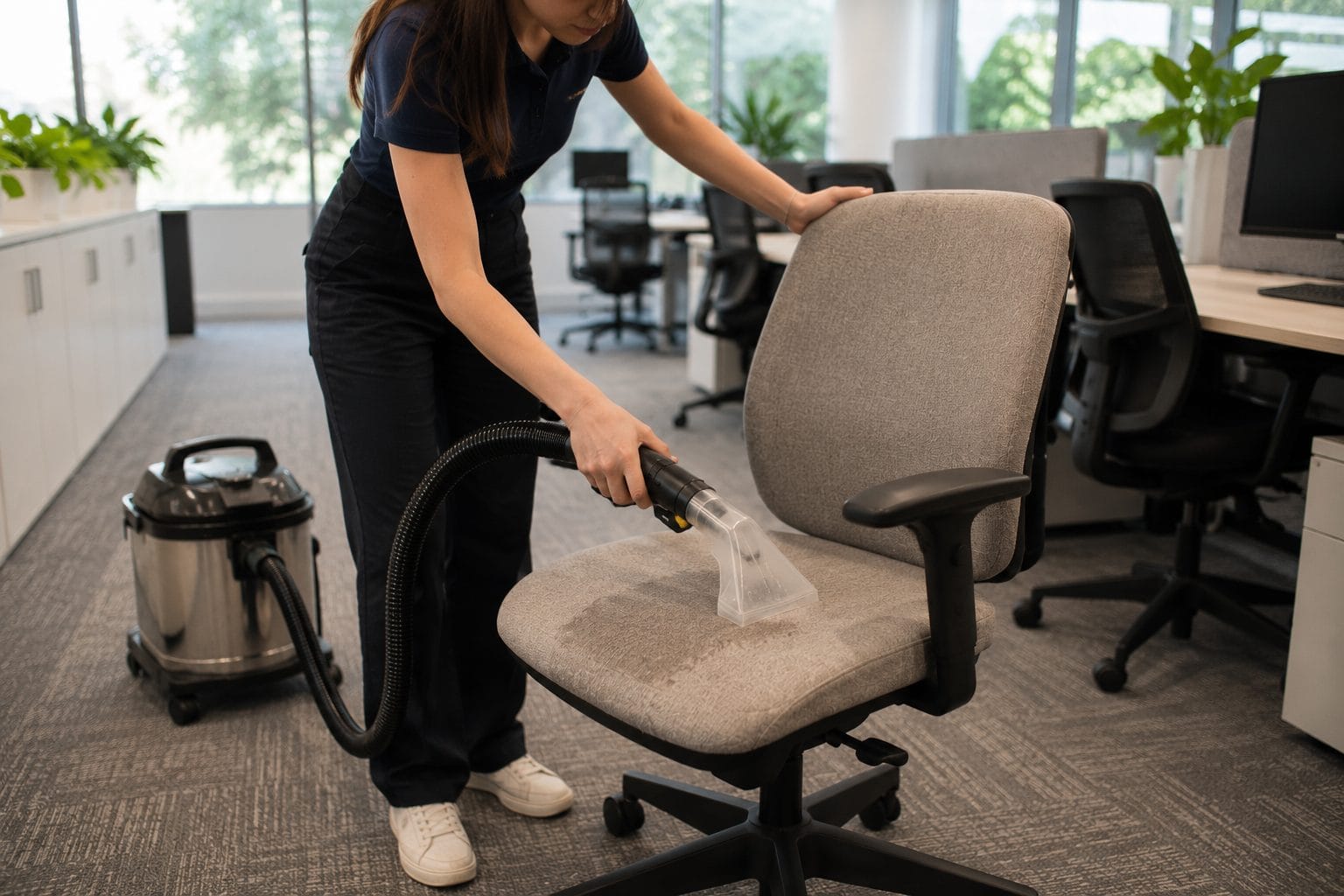
Carpet coverage is another point of difference. Houses often have carpet running through multiple bedrooms, hallways, and living areas, while units may have a mix of carpet and hard flooring across a smaller footprint. The more carpeted area there is, the more time a carpet clean will typically take, and the more it factors into your overall vacate clean.
How Property Type Can Affect Cleaning Time and Cost
Because the scope of work is different, the time and effort needed for a unit versus a house will usually differ too. A smaller unit with fewer outdoor obligations will often take less time to clean than a larger house with a garage, garden, and multiple living areas. Extra features like carpet, upholstery, or additional window cleaning can also add to the overall job.
Rather than assuming a flat rate applies regardless of property type, it’s worth getting a clear picture of what your specific property needs cleaned before your move-out date. This helps you plan your moving day realistically and avoid last-minute gaps that could put your bond at risk.
Preparing for a Successful End-of-Lease Inspection
Whether you’re leaving a unit or a house, a few habits make a real difference to how your final inspection goes. Agents are generally looking for the same standard of cleanliness regardless of property type, so it’s less about the size of the job and more about making sure nothing specific to your property has been overlooked:
- Check your original condition report: Compare it against how the property looks now so nothing is missed.
- Empty and clean storage areas: Wardrobes, cupboards, and pantries are commonly overlooked but frequently checked.
- Don’t forget the extras: Garages, balconies, and outdoor areas are easy to leave until last, but they’re just as much a part of the inspection as the interior.
- Confirm body corporate or lease-specific requirements: Units and houses can have different obligations written into your lease, so it pays to check before your final walkthrough.
- Book ahead of your move-out date: Giving yourself a buffer between your clean and your final inspection means there’s time to address anything an agent flags.
Being thorough with the areas specific to your property type rather than following a generic checklist puts you in a much stronger position to get your bond back.
Choosing a Vacate Clean That Matches Your Property Type
Not all vacate cleans are created equal, and a service that treats every property the same risks leaving gaps that show up at inspection. Comparing vacate cleaning apartment vs house requirements before you book is the best way to make sure your quote actually matches the job. Whether you’re vacating a compact apartment or a larger family home, the goal is the same: a property that’s ready to pass inspection and gets you your bond back without the stress.
At Cheap and Best Cleaning, we service units and houses right across Melbourne, with same or next-day availability for tenants working to a tight move-out deadline. Our end-of-lease cleans come with a bond back guarantee on eligible services, so you can book knowing the job is being handled to the standard your agent expects.