

If you’re one of the millions of Australians struggling with allergies, you know how frustrating it can be. Sneezing, itchy eyes, or wheezing can often be triggered inside your own home, where you’d expect to feel safe and comfortable. One of the biggest culprits? Your upholstered furniture.
Couches, armchairs, and fabric dining chairs act like sponges, trapping dust mites, pet dander, pollen, and mould spores. Every time you sit, stand, or fluff a cushion, those particles get released back into the air, worsening allergy symptoms. That’s why regular upholstery cleaning for allergy sufferers is so important.
Why Upholstery Cleaning Matters for Allergy Sufferers
The Hidden Allergens in Your Couch
According to the Australasian Society of Clinical Immunology and Allergy (ASCIA), dust mites are one of the most common allergy triggers in Australia. Upholstered furniture provides the perfect breeding ground: warm, dark, and full of fabric fibres to cling to.
Beyond dust mites, sofas and chairs also trap:
- Pet dander: tiny skin flakes from cats and dogs.
- Pollen: carried indoors on clothing and shoes.
- Mould spores: thrive in humid areas and soft furnishings.
- Bacteria: absorbed from food spills or sweaty clothing.
Regular carpet cleaning helps, but remember: your couch may hold even more allergens than your carpet because it isn’t vacuumed as often.
DIY Upholstery Cleaning Tips to Reduce Allergens
While professional cleaning is essential, there are steps you can take to make your home more comfortable between visits.
1. Vacuum with a HEPA Filter Weekly
A regular vacuum cleaner won’t trap microscopic allergens; it can even blow them back into the air. Use a vacuum with a HEPA filter and upholstery attachments to clean cushions, armrests, and seams.
2. Wash Removable Covers in Hot Water
If your sofa or chair has removable cushion covers, wash them regularly in hot water (at least 60°C) to kill dust mites. This simple habit reduces allergen build-up significantly.
3. Use Baking Soda as a Natural Refresher
Sprinkle baking soda on upholstery, let it sit for 20 minutes, then vacuum. It neutralises odours, absorbs moisture, and creates an environment less hospitable for dust mites.
4. Reduce Indoor Humidity
Dust mites and mould love humidity. Keep indoor humidity between 30-50% using a dehumidifier or air conditioner. This is particularly helpful in humid parts of Australia.
5. Avoid Harsh Chemicals or Scented Sprays
Many sprays and cleaners contain fragrances that can trigger asthma or allergic reactions. Instead, use hypoallergenic, fragrance-free products or natural cleaners.
Professional Upholstery Cleaning: Why It’s Essential
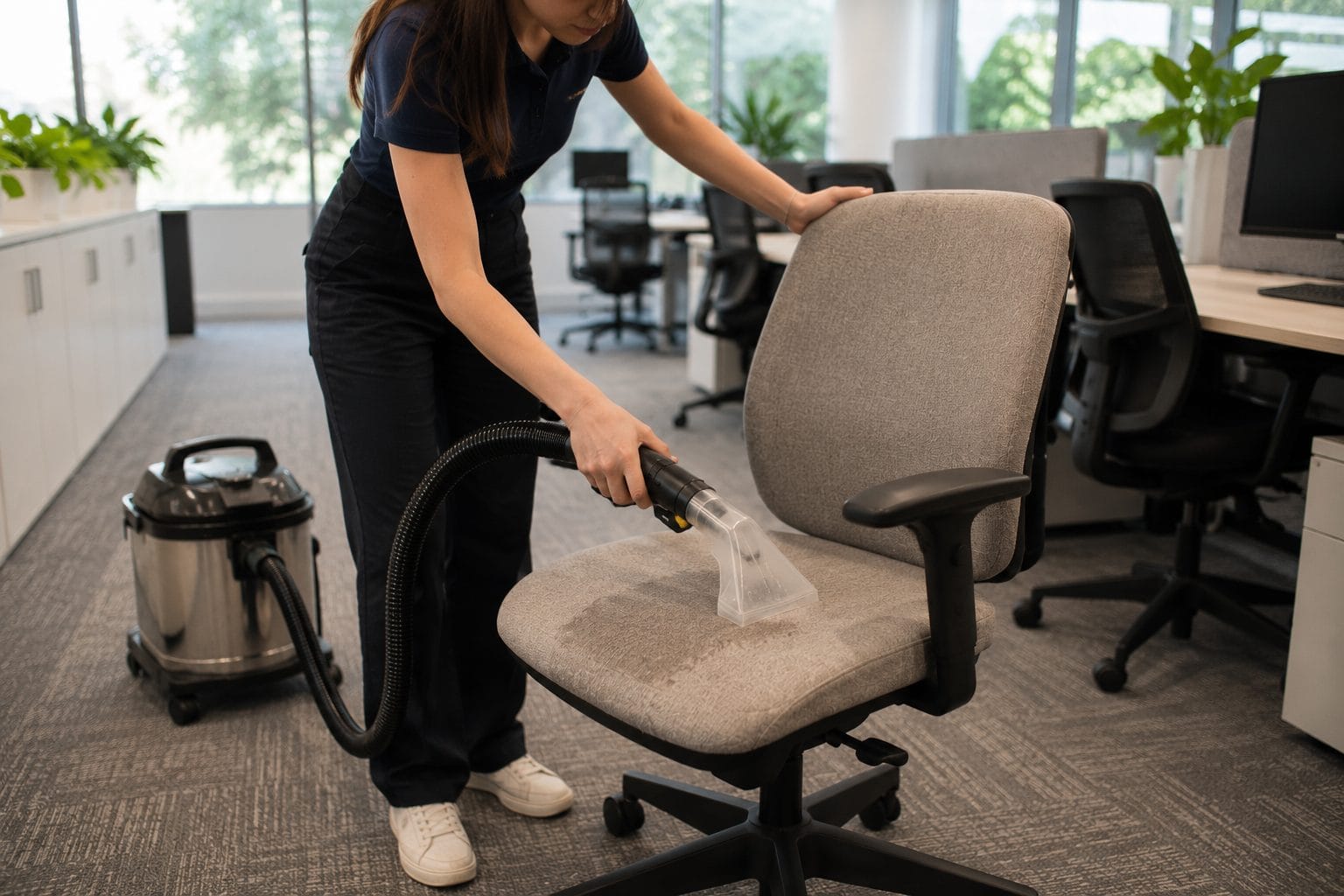
DIY methods are helpful but won’t remove deep-seated allergens. That’s where professional services like Cheap and Best Cleaning’s upholstery cleaning make the difference.
Deep Cleaning for Allergen Removal
Professional upholstery cleaning goes beyond what regular vacuuming or surface cleaning can achieve. Expert methods reach deep into the fabric to lift out embedded dust, pollen, pet dander, and other allergy triggers. This level of cleaning helps reduce airborne particles in your home, making the environment healthier and more comfortable for allergy sufferers. Unlike DIY solutions, professional cleaning provides a more thorough result that lasts longer and gives you peace of mind.
Safe for Different Fabrics
Every couch is different. Leather, linen, cotton, or synthetic blends all require unique cleaning methods. Our team inspects fabric type before choosing the safest and most effective approach.
Longer-Lasting Results
Unlike quick DIY fixes, professional upholstery cleaning not only improves indoor air quality but also extends your furniture’s lifespan, saving you money long-term.
Extra Tips for Allergy-Friendly Living
- Clean Carpets and Mattresses Too: Upholstery isn’t the only allergy hotspot. Regular carpet cleaning and mattress cleaning are essential for keeping dust mites under control.
- Declutter Soft Furnishings: Extra cushions, throws, or fabric ottomans all attract allergens. Keep things simple and washable.
- Air Out Your Home Daily: Open windows for 10-15 minutes in the morning to reduce indoor pollutant levels.
- Schedule Regular Deep Cleans: Most homes benefit from professional upholstery cleaning every 6-12 months, but if you have pets or severe allergies, aim for every 3-6 months.
The Bigger Picture: Cleaner Home, Better Health
Upholstery cleaning doesn’t just ease allergy symptoms, it makes your whole home feel fresher and more hygienic. Clean furniture improves indoor air quality, reduces odours, and enhances the look of your living space.
For tenants, it’s also worth noting that end of lease cleaning often includes upholstery and carpet cleaning. Choosing a trusted service like Cheap and Best Cleaning’s end-of-lease cleaning ensures you leave the property spotless and improves your chances of getting your bond back.
A Healthier Home Starts with Cleaner Upholstery
So, are couches and armchairs safe for allergy sufferers? Yes, as long as they’re properly maintained. With a combination of regular vacuuming, humidity control, and professional upholstery steam cleaning, you can keep allergens under control and enjoy your home without the sneezes.
At Cheap and Best Cleaning, we’re committed to making homes across Australia healthier and fresher. Our experienced team uses safe, effective cleaning methods to give your furniture a deep, allergen-free clean.
Ready to Breathe Easier?
Don’t let dust mites and hidden allergens control your home environment. Book a professional upholstery cleaning with Cheap and Best Cleaning today and discover the difference fresh, clean furniture makes for your health and comfort.