
Many tenants lose part of their bond because of kitchen grease they didn’t realise was there. During a kitchen grease final inspection, property managers carefully check cooking areas where oil and residue commonly build up. Sticky cabinets, greasy splashbacks, and dirty rangehood filters can quickly raise red flags. In this guide, Cheap and Best Cleaning explains why kitchen grease often triggers bond deductions and how tenants can avoid it.
The 5-Minute Test Property Managers Use to Spot Kitchen Grease
When property managers conduct a final inspection, they don’t always need long checklists to find cleaning issues. In fact, experienced agents can detect grease build-up in just a few minutes. During a kitchen grease final inspection, inspectors typically focus on surfaces around cooking areas where oil residue tends to accumulate over time.
The Finger Swipe Test on Cabinets and Splashbacks
One of the quickest ways property managers detect grease during a final inspection is the finger swipe test. Instead of relying only on visual checks, inspectors often run a finger lightly across cabinet doors, splashbacks, or kitchen benchtops.
If a faint streak appears or the surface feels slightly tacky, it usually indicates a thin layer of cooking oil that hasn’t been properly removed. Grease particles released during cooking naturally settle on nearby surfaces, particularly vertical areas around the stovetop.
Because these residues can form an almost invisible film, kitchens may look clean at first glance while still failing this simple inspection test.
Grease Build-Up in Rangehood Filters
Rangehood filters are designed to capture airborne grease, smoke, and cooking particles. Over time, these filters accumulate thick oil deposits that can quickly become noticeable.
During a rental final inspection, property managers often check the rangehood early because it reveals how well the kitchen has been maintained. When filters appear dark, clogged, or oily to the touch, it suggests grease may also be present on surrounding surfaces.
For inspectors, a dirty rangehood filter often signals that deeper kitchen cleaning may be required before the property is ready for the next tenant.
The “Sticky Surface” Problem
Another common issue inspectors encounter is sticky kitchen surfaces. Even after basic wiping, grease can remain on frequently touched areas such as cabinet doors, drawer handles, and splashbacks.
Experienced property managers quickly notice subtle signs of oil build-up, including:
- cabinet doors that feel slightly tacky
- handles with a thin oily film
- splashbacks that appear dull or smeared under bright light
These small details often determine whether the kitchen meets end-of-lease cleaning standards or requires additional cleaning before bond approval.
Why Kitchen Grease Is So Hard to See Until It’s Too Late
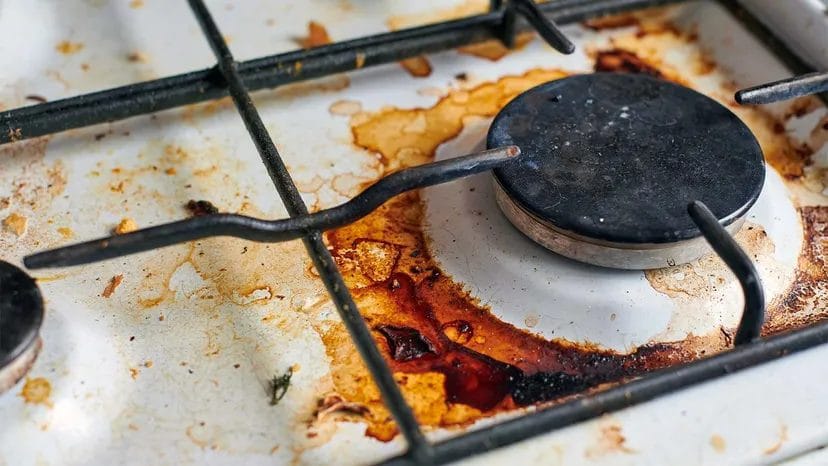
Many tenants genuinely believe their kitchens are clean before a final inspection. However, kitchen grease behaves very differently from normal dust or dirt. Instead of appearing immediately, cooking oils accumulate gradually and often remain invisible for long periods.
Grease Builds Up in Thin Invisible Layers
Every time you cook, tiny oil particles are released into the air from frying, boiling, or grilling food. These particles eventually settle on nearby surfaces such as cabinets, splashbacks, and appliances.
At first, the layer of grease is extremely thin and difficult to notice. Over time, however, repeated cooking causes these layers to build up and combine with dust and food residue. After several months, the once-invisible film can turn into a sticky coating that is much harder to remove.
Lighting During Inspections Reveals What Tenants Miss
Another reason kitchen grease often goes unnoticed is lighting. During everyday use, kitchen lighting may not be bright enough to highlight oil residue on surfaces.
During a final inspection, however, property managers often rely on strong lighting or natural sunlight to examine the kitchen more closely. Under bright light, surfaces that previously looked clean may suddenly reveal smudges, oily streaks, or dull patches. This difference in lighting is one reason kitchens can fail inspection even after a quick clean.
Everyday Cleaning Doesn’t Remove Cooking Oils
Regular household cleaning products are usually designed to remove dust, fingerprints, and light stains. While wiping surfaces regularly helps maintain general cleanliness, it rarely removes built-up cooking oils completely.
Over time, grease bonds with surfaces such as laminate cabinets, stainless steel appliances, tiles, and glass. Once this happens, simple wiping is no longer enough, and proper degreasing methods or specialised cleaning products are often required to restore the kitchen to inspection standards.
The Hidden Grease Zones Most Tenants Never Think About
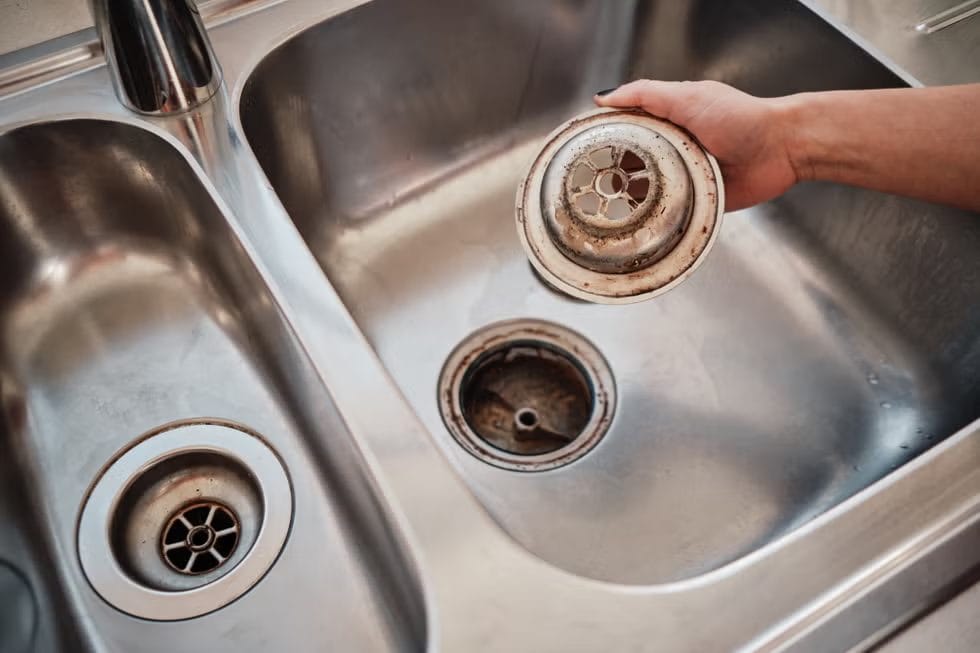
During a rental inspection, property managers don’t just focus on obvious surfaces like stovetops or benchtops. Grease particles released during cooking travel through the air and settle on nearby areas, including spots many tenants rarely clean. Because of this, inspectors often check several hidden zones where grease tends to accumulate over time.
The Top Edge of Cabinets
The top edges of kitchen cabinets are one of the most commonly overlooked grease hotspots. Cooking vapours naturally rise upward, carrying oil particles that settle on these upper surfaces. Since they are rarely included in everyday cleaning routines, the grease layer can become thick and dusty over time.
During inspections, property managers may run a cloth along the cabinet tops to check for residue. If the cloth picks up oily dust, it’s often considered a sign that the kitchen hasn’t been thoroughly cleaned.
The Underside of Rangehoods
While many tenants remember to clean the rangehood filters, the underside of the rangehood itself is often forgotten. This metal surface sits directly above the cooking area, making it highly exposed to oil vapours and steam.
Over time, these vapours condense and create a sticky coating that can be difficult to remove. Even if the filters appear clean, inspectors may still check the surrounding metal surfaces for signs of grease build-up.
Gaps Between Stove and Benchtop
Narrow gaps between the stove and benchtop can easily trap grease, crumbs, and food debris. These small spaces are difficult to reach with regular cleaning tools, which allows oil residue to accumulate over time.
When cooking oil drips into these gaps, it can harden and create stubborn stains. During a final inspection, property managers may look closely around appliance edges where hidden dirt and grease often collect.
The Wall Behind Small Appliances
Even appliances that are not used for heavy cooking can contribute to grease build-up. Kettles, toasters, coffee machines, and air fryers release steam, oil particles, or food residue that gradually settle on nearby walls.
Because these areas are usually covered by appliances, they may not be cleaned regularly. When the appliances are moved during an inspection, inspectors sometimes discover greasy patches or discoloured walls behind them.
Drawer Runners and Handles
Kitchen drawers and cabinet handles are touched frequently during food preparation. Oils from hands, combined with cooking residue, gradually transfer onto these surfaces throughout daily use.
Over time, this repeated contact can create a sticky build-up that becomes noticeable when drawers are opened or handles are touched. Property managers often check these small details because they reveal whether the kitchen has been cleaned carefully or only superficially.
Quick Grease Removal Tricks That Actually Work
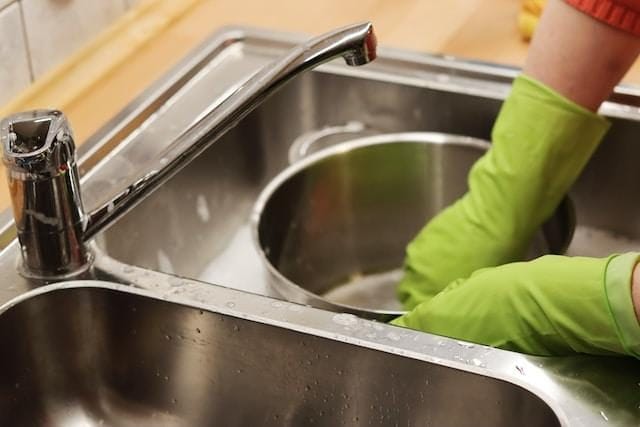
Removing kitchen grease doesn’t always require aggressive chemicals, but it does require the right technique. Below are several practical methods commonly used during end-of-lease kitchen cleaning to tackle stubborn grease build-up.
Degreasing Cabinets Without Damaging Wood
Kitchen cabinets, especially those made from wood or laminate, should be cleaned carefully to avoid damaging the finish. Harsh chemicals can strip protective coatings or leave discolouration, so gentler solutions are usually recommended.
Start by mixing warm water with a small amount of dishwashing liquid, which helps break down light oil residue. Use a microfibre cloth to wipe the cabinet surfaces gently, paying extra attention to areas near the stovetop where grease tends to accumulate. Once the grease is removed, dry the surface with a clean cloth to prevent moisture damage.
For heavier build-up, a diluted vinegar solution can be effective. Vinegar helps dissolve cooking oils while remaining safe for most cabinet finishes when used in moderation.
The Best Way to Clean Oven Glass
Oven glass is another surface where grease often accumulates, especially after months of regular cooking. Food splatters and oil vapours can create thick stains that become baked onto the glass when the oven heats up.
One effective cleaning approach involves creating a paste using baking soda and water. Spread the paste evenly across the oven glass and allow it to sit for about 15–20 minutes. This gives the baking soda time to break down grease deposits and loosen burnt residue. Afterward, wipe the surface with a damp cloth or sponge until the glass becomes clear again.
This method helps remove stubborn grease without scratching the oven glass.
Restoring Rangehood Filters
Rangehood filters are designed to capture grease from cooking vapours, which means they naturally become saturated over time. Because of this, they are often one of the greasiest components in the kitchen during a final inspection.
Cleaning these filters typically requires soaking them in hot water combined with a degreasing solution. The heat helps soften hardened oils, while the cleaning agent breaks down the grease so it can be rinsed away more easily.
Vinegar and Baking Soda Method
For moderate grease build-up, a natural solution can work surprisingly well. Soaking the filters in hot water mixed with vinegar and baking soda creates a reaction that helps loosen oil particles trapped in the mesh. After soaking for around 20 minutes, gently scrubbing the filters can remove remaining residue.
This method is often sufficient for kitchens that have been maintained regularly.
Commercial Degreaser Method
When grease build-up is particularly heavy, stronger cleaning solutions may be necessary. Commercial kitchen degreasers are formulated specifically to dissolve cooking oils and can work faster than natural methods.
These products are commonly used during professional bond cleaning services, as they help restore heavily used kitchen surfaces to inspection standards. When used correctly, they can remove stubborn grease from filters, splashbacks, and stovetops much more efficiently.
The Risk of DIY Cleaning Right Before Moving Day
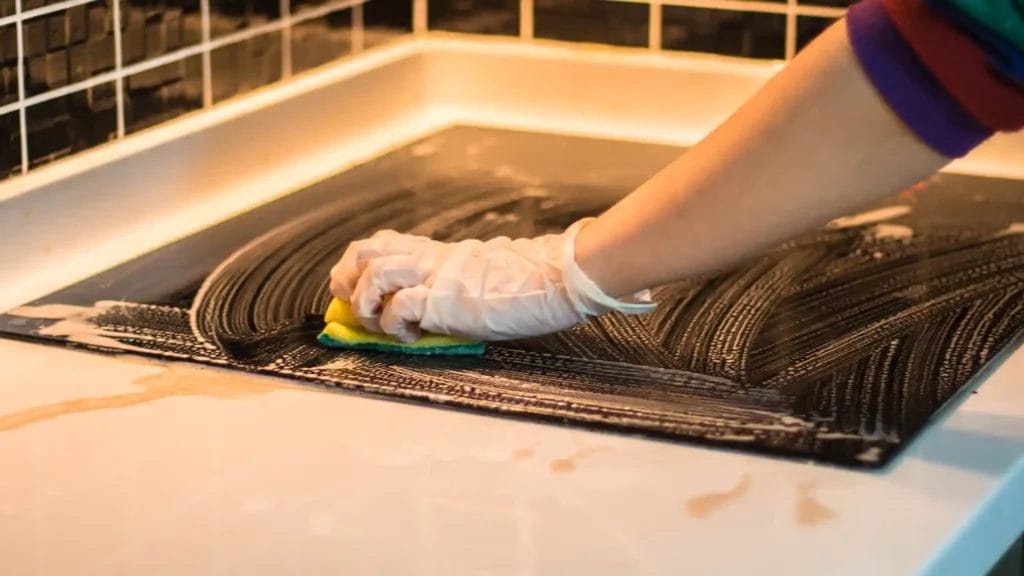
Many tenants plan to clean the kitchen themselves just before handing over the keys. While this approach can save money, it often creates unexpected pressure during the final days of moving. Kitchen grease, especially after months of cooking, is rarely quick to remove. Because of this, last-minute cleaning is one of the most common reasons kitchens fail a rental final inspection.
Grease Takes Longer Than Expected to Remove
Unlike dust or everyday dirt, grease bonds tightly to kitchen surfaces over time. Cooking oils combine with heat, food residue, and airborne particles, forming a stubborn film that doesn’t disappear with a quick wipe.
Removing this layer usually requires multiple cleaning steps, including soaking, scrubbing, and applying degreasing solutions. Areas such as ovens, splashbacks, and rangehood filters are particularly time-consuming, and thorough cleaning can take several hours rather than a few minutes.
The Problem With Last-Minute Oven Cleaning
Ovens are one of the most common causes of bond deductions during final inspections. Grease often accumulates inside the oven cavity, on trays, and between glass panels in the door. These stains can become baked on after repeated cooking, making them difficult to remove without specialised products.
Trying to clean the oven the night before the inspection often results in incomplete cleaning. Even small patches of grease or burnt residue can stand out during a detailed inspection, which may lead to requests for additional cleaning.
When DIY Cleaning Can Still Fail Inspection
Even after tenants spend hours cleaning, kitchens can still fail inspection standards. Property managers typically follow detailed checklists that cover areas many tenants overlook, such as cabinet tops, rangehood interiors, and appliance edges.
For renters who want to reduce the risk of delays or bond disputes, professional cleaning services can provide added reassurance. Many tenants choose a professional bond back cleaning service to ensure the kitchen meets landlords’ and property managers’ expectations before the final inspection.
How Professional Bond Cleaners Deal With Kitchen Grease
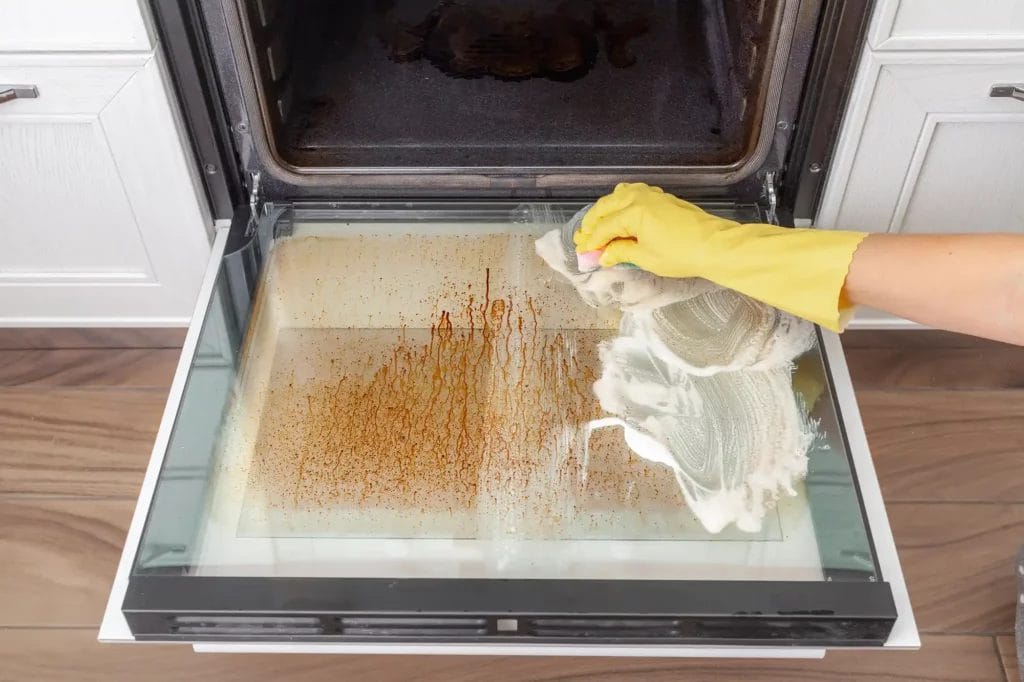
Removing built-up kitchen grease before a final inspection can be challenging, especially when residue has accumulated over months or years of cooking. Their goal is not just to make the kitchen look clean, but to ensure it meets the expectations of property managers during an end-of-lease inspection.
Real Estate Inspection Checklists
Professional cleaning teams typically work with detailed checklists that reflect what property managers assess during a final inspection. These checklists help cleaners approach the kitchen systematically rather than focusing only on visible surfaces.
By following a structured process, cleaners ensure every part of the kitchen is addressed—from appliances and splashbacks to cabinet tops and hidden corners. This organised approach helps prevent small but important areas from being overlooked.
Industrial Degreasers and Equipment
Another key difference between professional cleaning and DIY cleaning is the use of specialised tools and commercial-grade degreasing products. Standard household sprays often struggle to remove grease that has hardened over time.
Professional cleaners rely on stronger degreasers designed to break down cooking oils quickly while remaining safe for common kitchen materials such as stainless steel, glass, tiles, and laminate. Combined with professional equipment and techniques, these products allow cleaners to remove stubborn grease far more effectively.
Areas Professionals Clean That Tenants Often Miss
Experienced cleaners also pay close attention to smaller details that may go unnoticed during regular cleaning. Grease and residue can accumulate in areas that are rarely cleaned during everyday kitchen use.
Some of these commonly missed spots include:
- the upper surfaces of kitchen cabinets
- the inside of rangehood housings and filter frames
- oven racks, trays, and interior corners
- splashback edges and grout lines
- narrow gaps around appliances and benchtops
By addressing these hidden areas, professional cleaners help ensure the kitchen meets real estate cleaning expectations, reducing the likelihood of additional cleaning requests after the final inspection.

Final Inspection Survival Tip: Focus on the Kitchen First
When preparing for a rental final inspection, the kitchen should always be one of the first areas to focus on. Because cooking naturally produces grease, oil vapours, and food residue, kitchens tend to receive more attention from property managers than most other rooms in the home.
A clean, grease-free kitchen often creates a strong first impression during the inspection. When surfaces such as cabinets, splashbacks, and appliances are spotless, it signals that the property has been well-maintained throughout the tenancy.
If you want peace of mind before handing back the keys, the team at Cheap and Best Cleaning can help ensure your kitchen meets real estate inspection standards. You can call +61 404800866 to speak with the team or Book Now online today.