
When preparing for a rental inspection, many tenants focus on obvious areas like floors and surfaces. However, real estate agents often notice the smallest bedroom details first. Dust along skirting boards, marks on walls and hidden dirt around edges can quickly affect the outcome of a final inspection. Understanding these overlooked areas helps tenants prepare their homes properly and reduce the risk of bond deductions when moving out.
Why Bedrooms Still Fail Final Inspections
Bedrooms often appear clean at first glance, yet they remain one of the most common areas flagged during end-of-lease inspections. Small details that seem insignificant to tenants can easily stand out to property managers conducting a detailed inspection.
Bedrooms Often Look Clean at First Glance
Once furniture has been moved out, bedrooms often appear much cleaner than they did when the space was occupied. Open floor areas, empty walls and natural light can create the impression that the room has already been cleaned properly.
However, removing furniture can actually expose areas that were previously hidden. Dust behind the bed, marks on walls and debris along carpet edges often become visible only after the room is empty. Property managers are familiar with these common spots and usually examine them carefully during inspections.
For this reason, a bedroom that seems tidy at first glance may still reveal several small cleaning issues when inspected more closely.
Small Bedroom Details Property Managers Look For
During final inspections, property managers often check specific areas that reveal how carefully a room has been cleaned. These spots tend to collect dust and marks over time and are difficult to hide once the room is empty.
Common inspection points include:
- Dust along skirting boards and wall edges
- Scuff marks or smudges on painted walls
- Dirt or debris inside window tracks and window sills
- Cobwebs or dust in ceiling corners
- Fingerprints on light switches, door handles and door frames
These areas provide quick visual clues about the overall cleaning standard of the property. Even when the floor and main surfaces look clean, dust or marks in these locations can make the bedroom appear unfinished.
How Minor Marks Can Lead to Bond Deductions
Small cleaning issues can sometimes lead to unexpected deductions from a tenant’s bond. When property managers document visible dust or wall marks during the inspection, they may request additional cleaning before approving the bond refund.
In some situations, landlords arrange professional cleaning services to address the remaining issues. The cost of this cleaning may then be deducted from the tenant’s bond.
Because of this, paying attention to minor bedroom details can play an important role in protecting the bond. Cleaning skirting boards, removing light wall scuffs and wiping high-touch surfaces can help ensure the bedroom meets standard rental inspection requirements.

Dust on Skirting Boards: One of the Most Common Inspection Issues
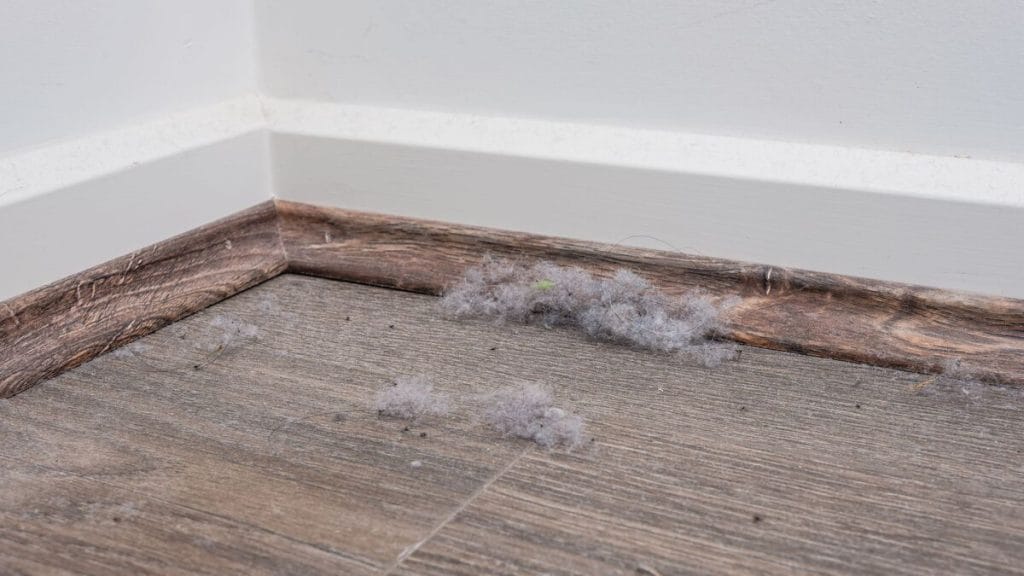
Skirting boards are one of the most commonly overlooked areas during move-out cleaning. Dust and debris gradually collect along the base of walls, and this buildup becomes highly visible during an end-of-lease inspection, especially in empty bedrooms.
Why Dust Builds Up Along Skirting Boards
Skirting boards sit at the junction where walls meet the floor, an area where dust naturally gathers. Everyday activities such as walking through the room, vacuuming carpets or opening windows can push dust particles toward the edges of the space. Over time, these particles settle along the base of the wall and gradually form visible dust lines.
Bedrooms are particularly prone to this problem because furniture often blocks access to these edges. Beds, wardrobes and bedside tables may sit close to the wall for long periods, allowing dust to accumulate unnoticed behind or beneath them. When furniture is eventually moved out during end-of-lease cleaning, the buildup along the skirting boards often becomes clearly visible.
Why Tenants Often Forget to Clean Them
Skirting boards are easy to miss during regular household cleaning. Many tenants focus mainly on visible surfaces such as floors, furniture and shelves, while narrow wall edges receive less attention. Because these surfaces are low to the ground, they are also less noticeable unless someone specifically looks for dust along the walls.
Furniture placement can make the problem worse. Beds and bedside tables are commonly positioned directly against the wall, hiding sections of the skirting boards for months at a time. Once the furniture is removed before the final inspection, dust that has accumulated in these areas quickly becomes visible and may give the impression that the room has not been thoroughly cleaned.
How Property Managers Check for Dust
During a rental inspection, property managers often walk slowly around the room while examining the condition of the walls and floors. Because skirting boards run along the entire edge of the bedroom, they are easy to inspect as part of this process.
Dust buildup becomes particularly visible under natural light, especially when sunlight shines across the floor or wall. In some cases, inspectors may run a finger or cloth along the surface to check whether dust remains. If visible dust or dirt marks appear, the area may be noted in the inspection report and additional cleaning may be requested before the bond is released.
Marks on Walls: A Frequent Bedroom Inspection Problem
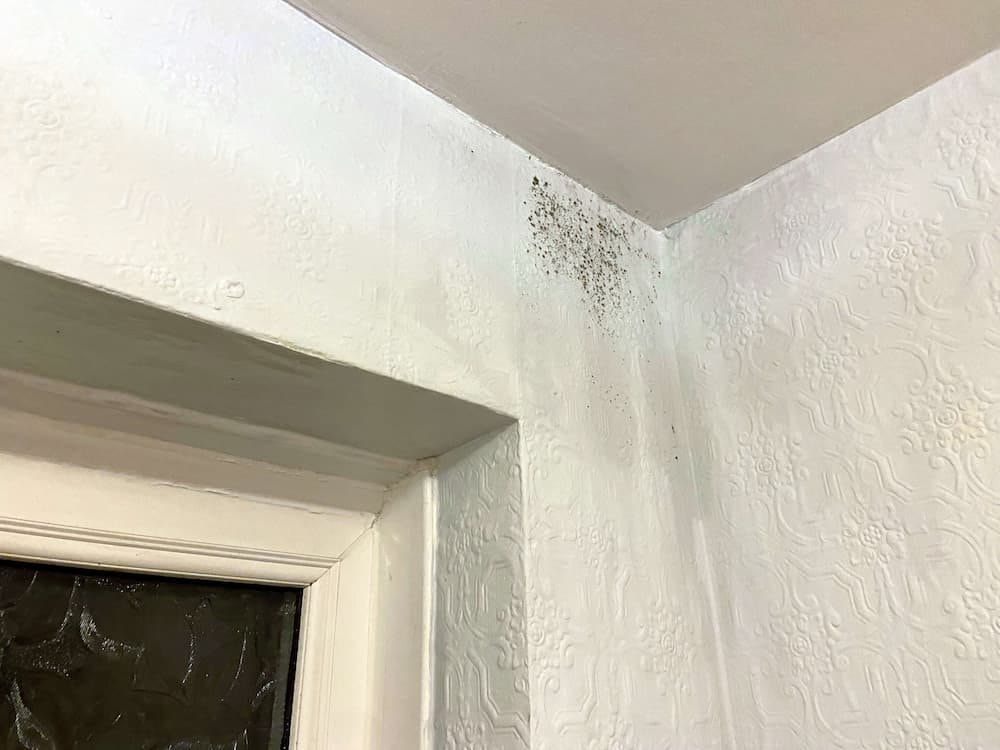
Marks on bedroom walls are another issue frequently noted during rental inspections. Even small scuffs can stand out once the room is empty and well-lit. During an end-of-lease inspection, property managers often check walls carefully because marks, smudges or scratches can affect the overall appearance of the room.
Common Causes of Wall Marks
Wall marks in bedrooms usually result from normal daily activities. Furniture movement, frequent contact with walls and everyday use of the room can all leave small marks on painted surfaces.
Some of the most common causes include:
- Bed frames rubbing against walls
- Headboards leaving pressure marks
- Suitcases or furniture touching painted surfaces
- Handprints near light switches
- Shoes or bags brushing against walls during moving
These marks may not always be noticeable while the room is furnished. However, once furniture is removed during move-out cleaning, previously hidden scuffs and smudges often become easier to see.
Which Wall Marks Are Considered Damage
Not all wall marks are treated the same during a rental inspection. Minor scuffs or light smudges are often considered normal wear and tear, especially if they can be removed with simple cleaning.
However, deeper scratches, chipped paint or heavy stains may be recorded as damage in the inspection report. When these issues are visible, tenants may be asked to repair or repaint the affected areas before the bond refund can be approved.
Understanding this difference helps tenants decide whether a mark can be cleaned easily or may require additional repair before the final inspection.
Simple Ways to Remove Wall Scuffs Before Inspection
Light wall marks can often be removed with gentle cleaning methods. A soft cloth with a small amount of water can help lift surface marks without affecting the paint. In some cases, a soft cleaning sponge can also help remove scuffs caused by furniture or everyday contact.
It is important to avoid aggressive scrubbing or strong chemicals, as these can damage painted surfaces or create uneven patches on the wall. Using gentle cleaning techniques helps restore the wall’s appearance and ensures the bedroom looks presentable during the final inspection.
Other Small Bedroom Details Agents Often Notice
Beyond dust on skirting boards and marks on walls, several other small areas can attract attention during a rental inspection. Property managers often look at spots where dust collects or where frequent contact leaves visible marks. In empty bedrooms, these details are easier to notice because nothing blocks the view of corners, surfaces or edges.
Dust in Ceiling Corners and Cobwebs
Ceiling corners are common places where dust and cobwebs accumulate over time. Bedrooms with higher ceilings or less frequent cleaning may develop small cobwebs that remain unnoticed during everyday housekeeping.
During inspections, these areas are easy to spot because they contrast against the ceiling and walls. Even small cobwebs can give the impression that the room has not been thoroughly cleaned. Using a long-handled duster or vacuum attachment can help remove dust and cobwebs from ceiling corners before the final inspection.
Fingerprints on Light Switches and Door Frames
Light switches, door handles and door frames are some of the most frequently touched surfaces in a bedroom. Because they are used daily, fingerprints and smudges can quickly build up on these areas.
Under bright lighting, these marks become more visible, especially on white paint or glossy surfaces. Wiping these high-touch areas with a damp cloth can help remove fingerprints and improve the overall appearance of the room during an inspection.
Dirt on Window Tracks and Window Sills
Window tracks and sills often collect dust, small debris and insects over time. When windows are opened regularly for ventilation, outside dust can easily settle along these narrow surfaces.
Property managers commonly check window tracks because they reveal whether detailed cleaning has been carried out. Even when the rest of the bedroom appears clean, dirt inside the tracks can stand out during a close inspection.
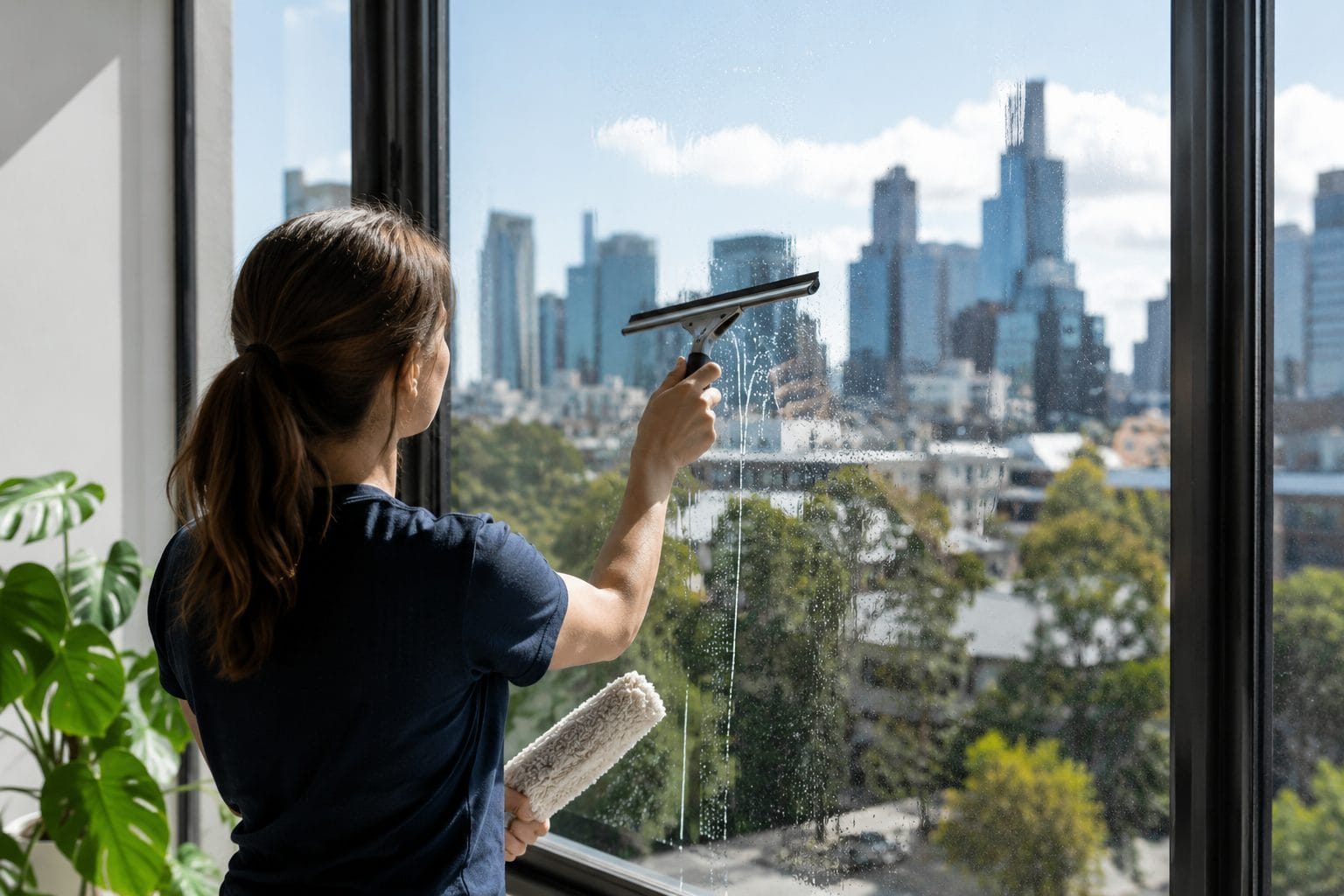
If dirt has built up inside the tracks, professional window cleaning may help ensure these narrow areas are cleaned more thoroughly.
Carpet Edges and Dust Along Walls
Dust frequently gathers along the edges of carpets where the floor meets the wall. Standard vacuuming sometimes misses these narrow areas, allowing dirt and fine debris to accumulate along the perimeter of the room.
These edges can become particularly noticeable in empty bedrooms where the entire floor is visible. Using a vacuum attachment designed for corners and edges helps remove trapped dust and improves the overall appearance of the carpet before the final inspection.
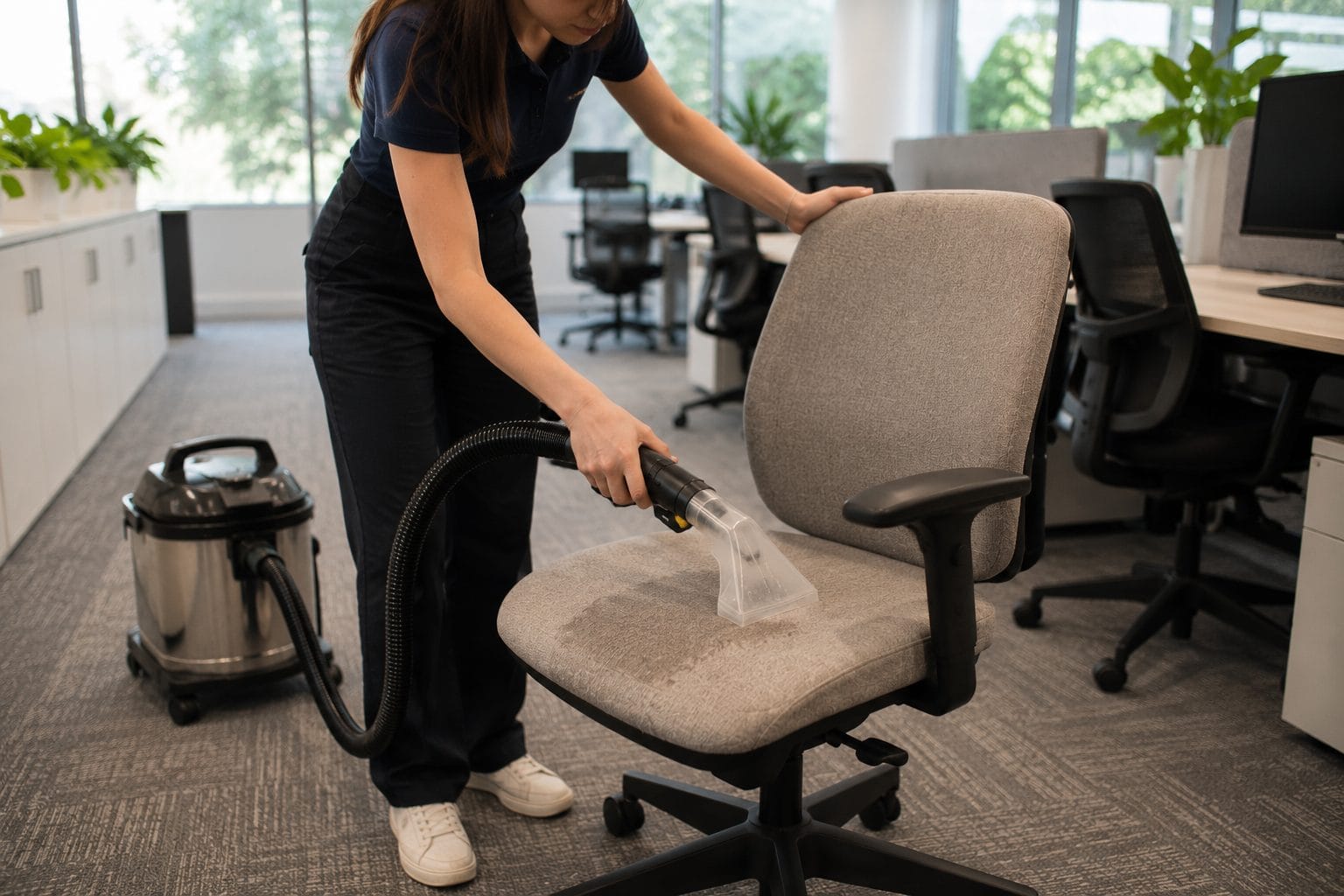
In some cases, tenants also arrange professional carpet cleaning to remove deeply embedded dust and improve the overall condition of the carpet before inspection.

Simple Bedroom Cleaning Tips Before a Final Inspection
Preparing a bedroom before a final inspection does not always require complicated cleaning methods. In many cases, focusing on small details makes the biggest difference.
Cleaning Skirting Boards Properly
Skirting boards often collect dust because they sit where the wall meets the floor. Over time, fine dust and debris settle along these edges and can form visible dust lines. During an end-of-lease inspection, these lines are easy to notice, especially in empty bedrooms.
A simple way to clean skirting boards is by using a microfiber cloth or soft duster to wipe along the entire edge of the wall. For heavier dust buildup, a slightly damp cloth can help remove remaining dirt without damaging painted surfaces. Regularly wiping these edges helps keep the bedroom looking well-maintained before the final inspection.
Removing Marks Without Damaging Paint
Light wall scuffs are common in bedrooms and are often caused by furniture movement or everyday contact with walls. These marks can usually be removed with gentle cleaning methods.
Using a soft cloth with a small amount of water is often enough to lift surface marks. A mild cleaning sponge can also help remove light scuffs left by bed frames or bags. However, harsh scrubbing or strong chemicals should be avoided because they can damage paint or leave uneven patches on the wall. Taking a careful approach helps restore the appearance of the wall while protecting the painted surface.
Quick Bedroom Cleaning Checklist
Before a rental inspection, reviewing a simple cleaning checklist can help ensure no small details are overlooked.
Bedroom inspection cleaning checklist:
- Wipe down skirting boards and wall edges
- Remove visible marks on walls
- Clean light switches and door frames
- Vacuum carpet edges near the walls
- Remove dust and cobwebs from ceiling corners
- Clean window sills and window tracks
Completing these small tasks can make the bedroom look cleaner and more organised, helping the room appear inspection-ready when the property manager arrives.
When Professional Bond Cleaning Can Help
Preparing a rental property for a final inspection can be time-consuming, especially when tenants are also managing packing, moving and paperwork. While basic cleaning can improve the appearance of the bedroom, meeting inspection standards often requires careful attention to small details that are easy to miss.
Strict Cleaning Standards During End-of-Lease Inspections
During final inspections, property managers typically follow detailed cleaning checklists. These checklists help ensure that the property is returned in a clean and well-maintained condition before new tenants move in.
Because these standards cover many small areas, minor issues such as dust along skirting boards, wall scuffs or dirt in window tracks may still appear in the inspection report. Even when the room looks tidy overall, these small details can delay the bond refund process until the cleaning is completed properly.
How Professional Cleaners Handle Bedroom Details
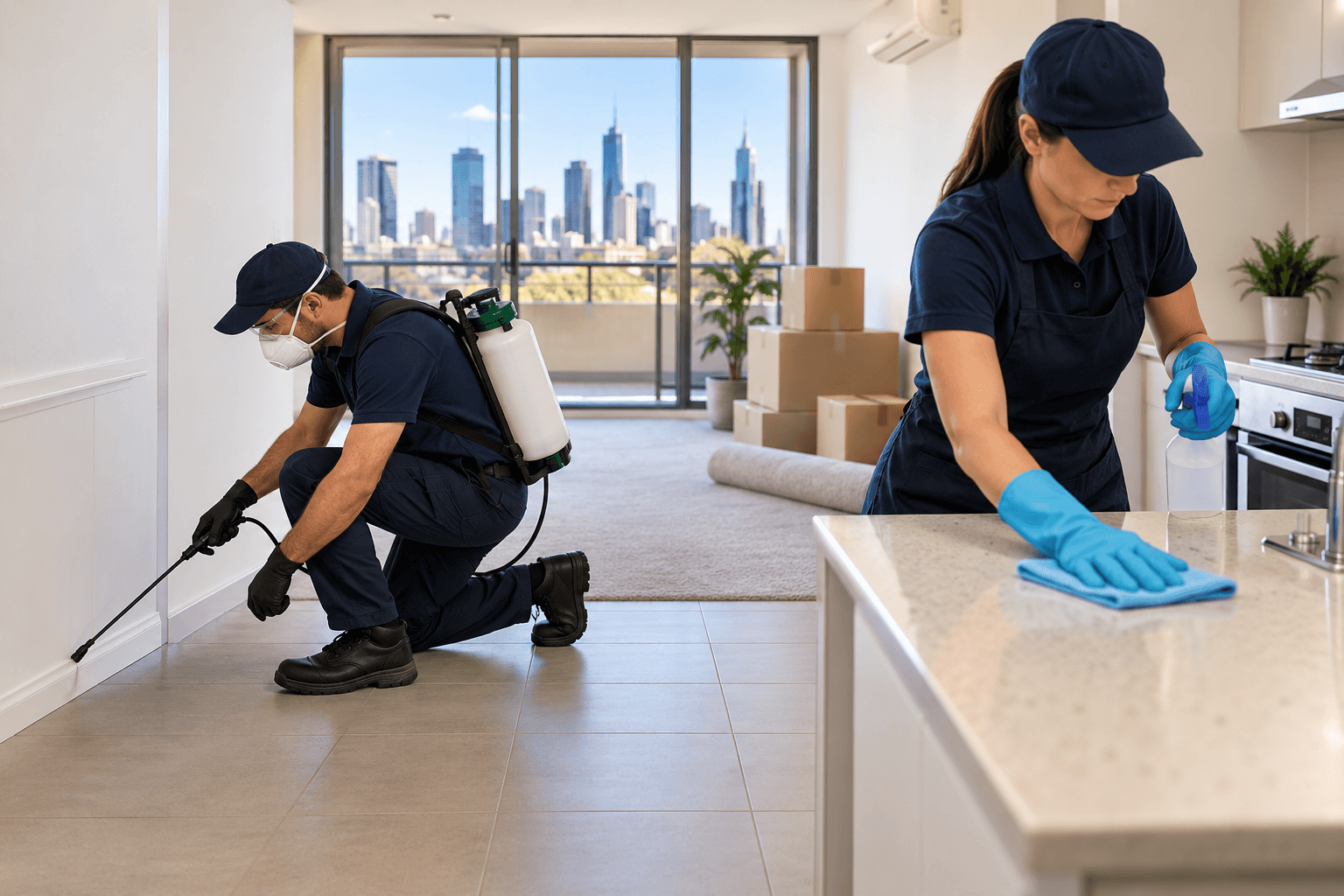
Professional cleaners are familiar with the standards commonly used during rental inspections. Their cleaning process usually focuses on areas that property managers often examine, including skirting boards, wall edges, window tracks and high-touch surfaces.
Many tenants choose professional bond back cleaning services to ensure these smaller areas are cleaned thoroughly before the inspection. A detailed cleaning approach can help prepare the bedroom so it meets the expectations of landlords and property managers.
Reducing the Risk of Bond Deductions
Thorough cleaning can make a noticeable difference during the final inspection. When small details such as dust lines, fingerprints or wall scuffs are properly addressed, the bedroom appears cleaner and better maintained.
Professional cleaning services can help tenants cover these overlooked areas and reduce the likelihood of issues appearing in the inspection report. By ensuring the room meets typical end-of-lease cleaning standards, tenants may improve their chances of receiving the full bond refund.

Final Inspection Tip: Don’t Ignore the Small Bedroom Details
During a final inspection, the smallest details often make the biggest difference. Dust along skirting boards, marks on walls and hidden dirt around corners can quickly stand out in an otherwise clean bedroom.
By paying attention to these areas before inspection, tenants can improve the appearance of the property and increase the likelihood of receiving their full bond refund. Careful preparation, attention to detail and proper cleaning standards all contribute to a successful end-of-lease inspection.
If you want extra peace of mind before your inspection, professional cleaning can help ensure nothing is overlooked. At Cheap and Best Cleaning, our experienced team provides thorough bond back cleaning services designed to meet real estate inspection standards.
Call us today at +61 404800866 or visit our Contact Us page to book a cleaning service before your final inspection.